Pests can create serious challenges for commercial properties, affecting everything from daily operations and employee productivity to customer satisfaction and brand reputation. Whether managing an office building, retail location, warehouse, healthcare facility, or restaurant, businesses must remain vigilant against pest threats that can develop without warning. Investing in commercial pest control services is not only about addressing active infestations but also about creating a proactive prevention strategy that supports long-term business success.
Rather than waiting for pests to become visible, many organizations are recognizing the value of routine assessments. Regular evaluations help uncover hidden vulnerabilities, identify changing risk factors, and support informed decision-making that can reduce the likelihood of future infestations.

Understanding Why Commercial Properties Face Ongoing Pest Risks
Commercial environments often provide ideal conditions for pest activity. Large buildings, frequent deliveries, food storage areas, employee break rooms, waste collection points, and constant foot traffic can all contribute to increased exposure risks.
As businesses grow and operations evolve, new pest vulnerabilities may emerge. Areas that were once secure can become susceptible due to structural wear, changing occupancy patterns, or operational adjustments. Without regular assessments, these risks may remain unnoticed until a pest problem becomes more difficult to manage.
Looking Beyond Visible Pest Activity
One of the biggest mistakes businesses make is assuming that the absence of visible pests means there is no risk. Many pest issues begin long before warning signs become obvious. Rodents, insects, and other pests often establish themselves in hidden areas where activity can go undetected for extended periods.
Routine assessments help identify subtle indicators that may signal developing concerns. By detecting problems early, businesses can take corrective action before infestations impact operations, employees, or customers.
Finding Vulnerabilities Before Pests Do
Every commercial property has potential entry points that can provide access to unwanted pests. Over time, normal building wear can create openings that are easily overlooked during daily operations.
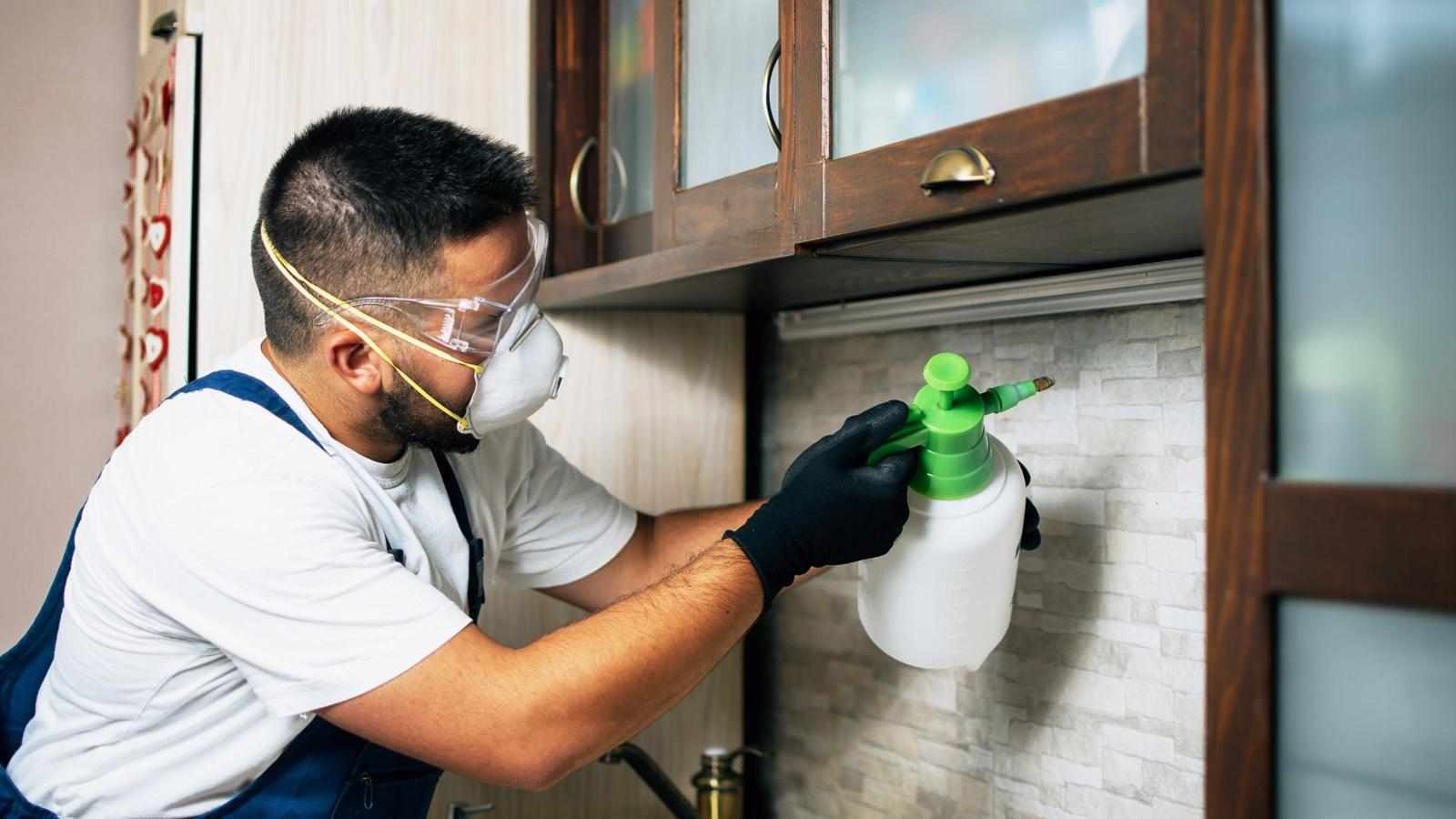
Common vulnerabilities include gaps around doors, damaged weather stripping, foundation cracks, utility penetrations, roof openings, and loading dock areas. Regular inspections allow businesses to identify these weaknesses and address them before they become pathways for pest activity.
Proactive maintenance not only supports pest prevention but can also contribute to improved building performance and operational efficiency.
How Environmental Conditions Influence Pest Pressure
Pests are constantly searching for food, water, and shelter. Even small environmental issues can increase the likelihood of activity if left unaddressed. Moisture accumulation, sanitation concerns, cluttered storage areas, and improperly managed waste can all create conditions that attract pests.
Routine evaluations provide an opportunity to review these factors and implement improvements where necessary. Addressing environmental concerns early helps create a less inviting environment and strengthens overall prevention efforts.
Businesses that prioritize sanitation and facility maintenance often experience fewer pest-related disruptions over time.
Strengthening Compliance and Protecting Business Reputation
For many industries, maintaining a pest-free environment is closely tied to regulatory compliance and customer confidence. Restaurants, healthcare facilities, food processing operations, educational institutions, and hospitality businesses are particularly vulnerable to the consequences of pest activity.
Routine assessments can help support compliance efforts by documenting preventive actions and identifying areas that may require attention. In addition, maintaining strong pest prevention standards can help protect a company's reputation and reinforce trust among customers, employees, and stakeholders.
A proactive approach demonstrates a commitment to health, safety, and operational excellence.
The Advantage of Professional Assessments
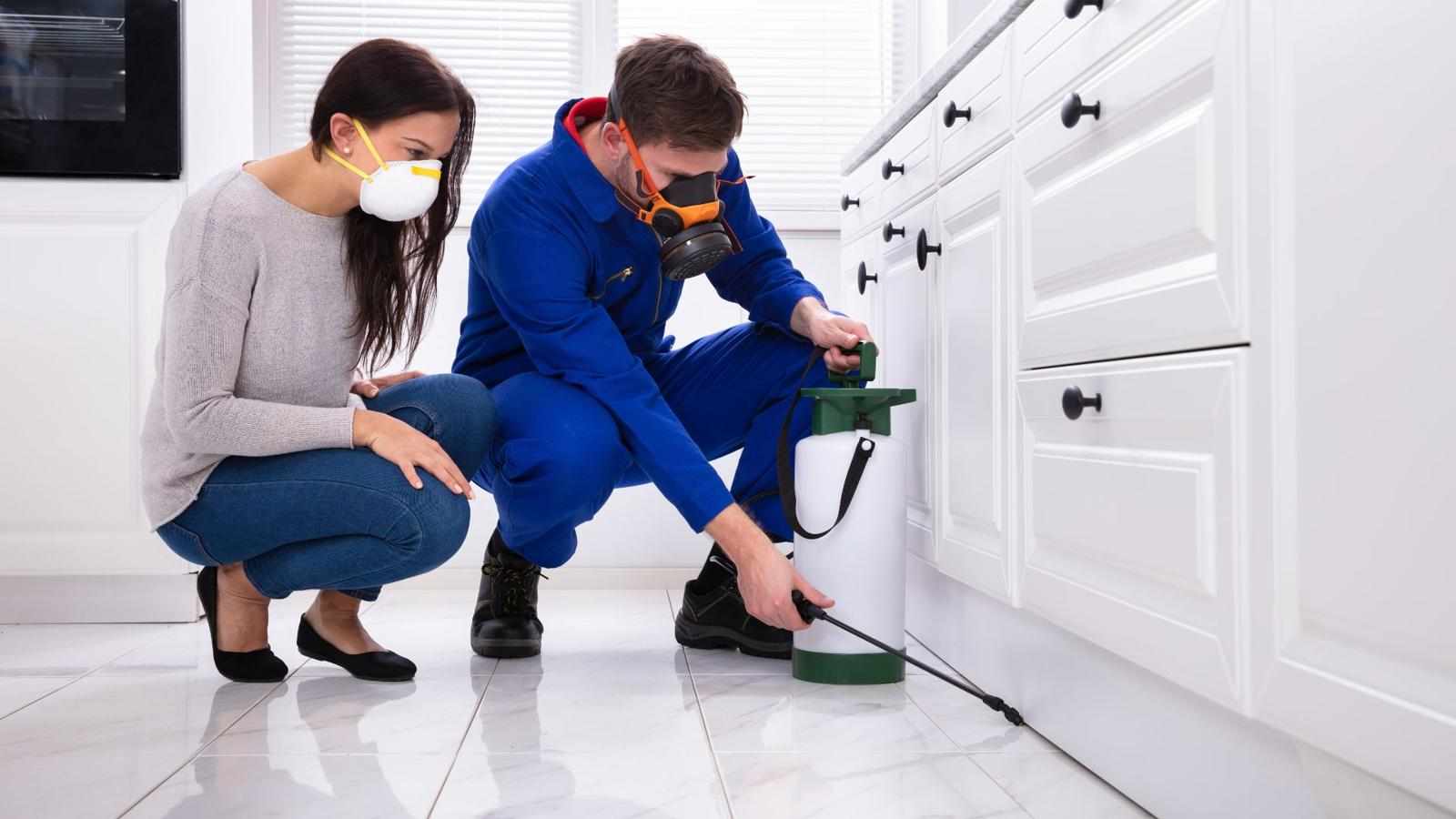
While internal inspections are valuable, professional evaluations often provide a deeper level of insight. Experienced pest management professionals understand pest behavior, seasonal activity patterns, and the unique challenges associated with different commercial environments.
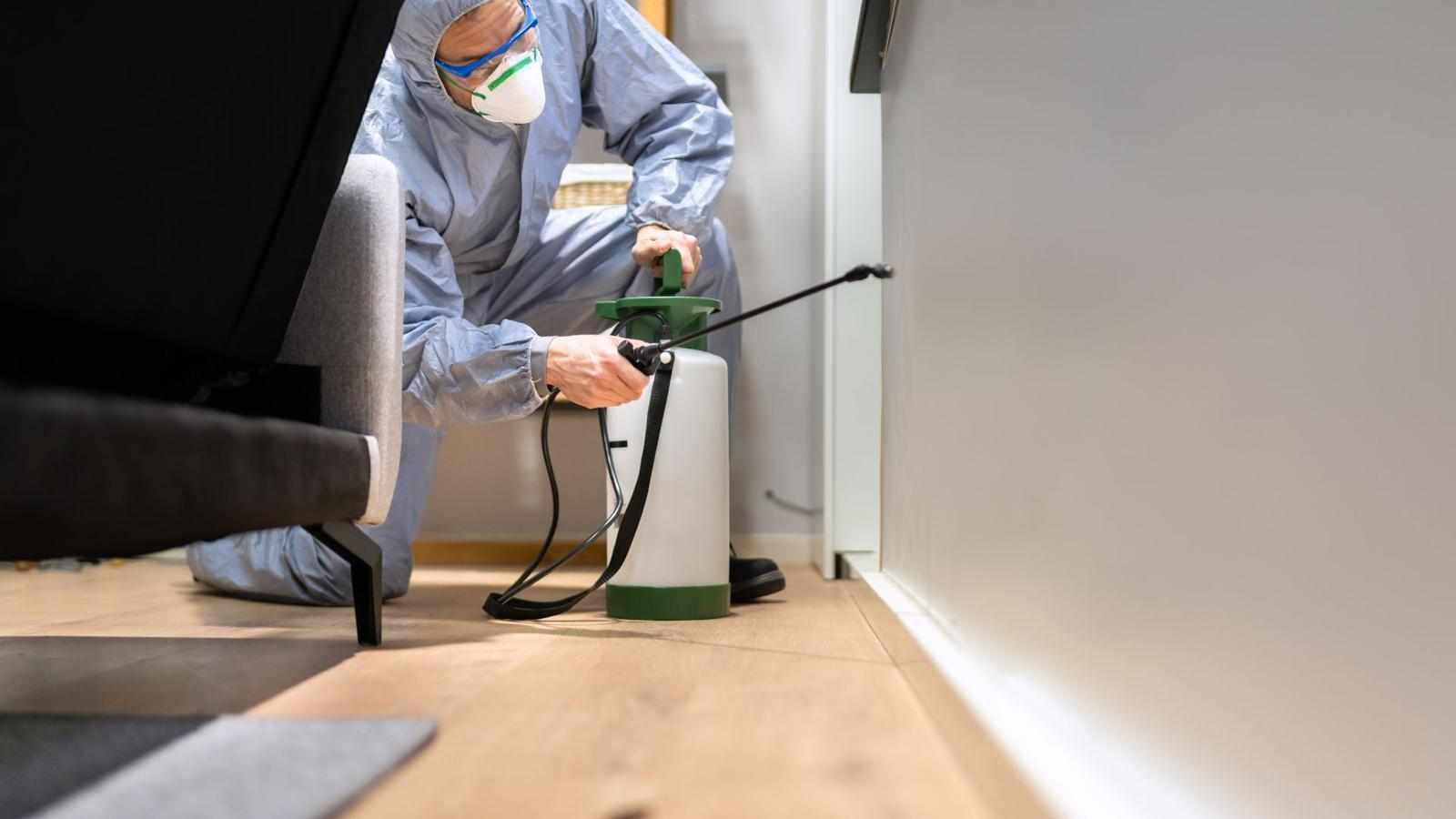
Detailed assessments can reveal hidden risks that may not be apparent during routine facility inspections. These findings allow businesses to implement targeted prevention strategies that align with their operational needs and risk profile.
Professional guidance can also help organizations adapt their prevention programs as conditions change throughout the year.
Creating a Sustainable Prevention Strategy for the Future
Effective pest management is an ongoing process rather than a one-time solution. Business environments constantly evolve, and prevention strategies should evolve as well. Regular assessments provide valuable information that helps organizations stay ahead of emerging pest threats and make informed decisions about facility management.
Brownco Pest Control helps businesses develop prevention-focused pest management strategies through detailed property evaluations and practical recommendations. By identifying vulnerabilities and supporting proactive planning, businesses can strengthen their defenses against future pest challenges.
Conclusion
Pest prevention begins long before an infestation is discovered. Routine assessments provide businesses with the opportunity to identify vulnerabilities, address environmental concerns, and strengthen property-wide protection measures before problems escalate.
By incorporating regular evaluations into a broader prevention strategy, commercial properties can reduce pest risks, support regulatory compliance, protect their reputation, and maintain a healthier environment for employees and customers. Long-term success is often built on proactive planning, and routine assessments remain one of the most valuable tools for achieving that goal.





Write a comment ...